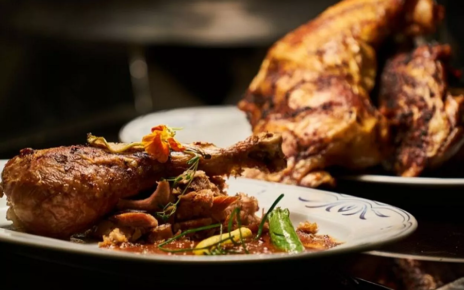

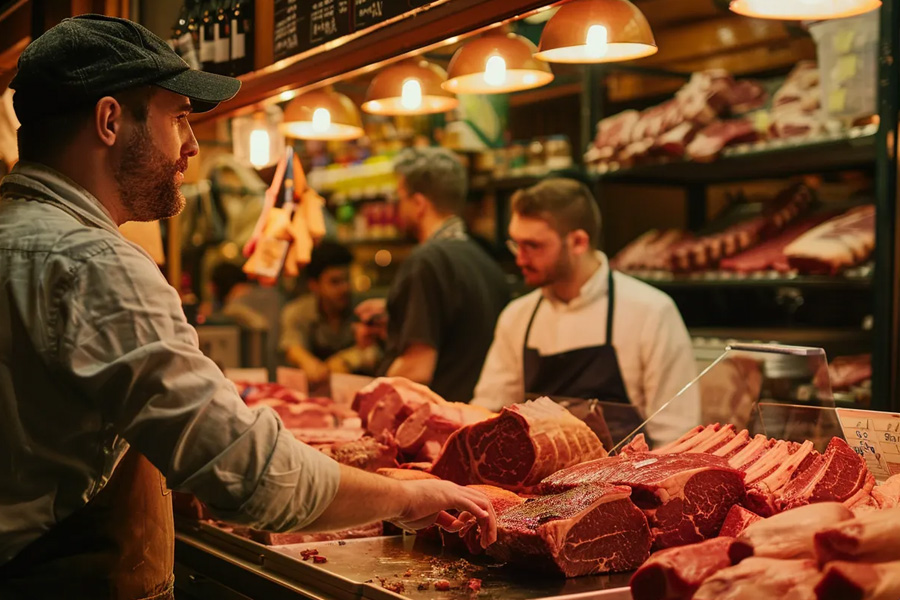
A meal’s quality often starts long before the ingredients are brought into the kitchen. Selecting the appropriate meat may significantly impact taste, texture, and overall pleasure, whether cooking a family meal, arranging a special event, or setting up a weekend BBQ. Supermarkets are convenient, but traditional butcher shops provide individualized attention, informed advice, and well-chosen cuts things that many home chefs are beginning to value.
When looking for a butcher in Littleton, going to a specialist meat market might be more satisfying than just buying packaged meat from the supermarket. Local butchers assist clients in learning about various cuts, understanding their selections, and making certain purchases.
The Benefits Of Purchasing From A Conventional Butcher Store
Local communities have always valued traditional butcher businesses. In addition to selling meat, they provide clients with useful advice on how to prepare it, how much to consume, and which cuts are best for certain dishes. Those who want to experiment with new ingredients or enhance their culinary abilities may find this tailored approach very beneficial.
A butcher shop promotes interaction, in contrast to traditional supermarket shopping, when patrons often choose items on their own. Consumers may inquire about preparation methods, cooking temperatures, fat content, and softness. These exchanges turn a typical shopping trip into a chance to learn more about food.
Tony’s Market and other specialty meat markets show how popular traditional butcher services are. Customers have an alternative to typical supermarket meat sections because of their emphasis on meat variety and customer service.
Selecting The Correct Cut For Improved Cooking Outcomes
Every cut of meat reacts differently to different cooking techniques. Comprehending these distinctions is crucial to attaining fulfilling outcomes at home. While harder cuts like chuck roast and brisket benefit from slower cooking techniques, tender steaks like ribeye and filet mignon are often better suited for grilling or pan-searing.
Based on a customer’s budget, tastes, and meal plan, an experienced butcher may clarify these differences and suggest substitutes. For instance, instead of buying a pricey steak, someone cooking a slow-cooked family meal would profit from selecting a tasty roast.
Another benefit of dealing with a butcher is proper portioning. In order to minimize needless food waste and guarantee that everyone is served appropriately, customers may request amounts that are acceptable for their home.
Quality And Freshness Matter
When buying meat, freshness is crucial, but quality is more than just looks. A satisfying purchasing experience is influenced by proper storage, cautious handling, suitable packaging, and trustworthy sources.
A respectable meat market should adhere to recognized food safety procedures and maintain suitable refrigeration temperatures. Asking about product origins, suggested storage times, and safe preparation techniques may also be beneficial for customers.
When customers visit a butcher in Littleon, they may value the chance to look at the options and speak with knowledgeable employees about their preferences. Choosing meat might seem easier with this degree of connection, especially when buying items for special events.
Adding Interest To Regular Meals
High-quality meat options aren’t only for pricey meals or special occasions. A well-selected cut may enhance regular meals without the need for complex cooking methods.
While chicken thighs provide a flexible choice for roasting, grilling, or making family casseroles, ground beef may be used to make tasty handmade burgers. Using well-known items, slow-cooked beef pieces, pork chops, and sausages may also make filling dinners.
Butchers could suggest less expensive substitutes that, when cooked properly, provide great taste. Households may increase their weekly meals and better control food costs by learning how to utilize various cuts.
The final meal is also influenced by marinades, seasonings, and proper cooking temperatures. Memorable outcomes may be achieved by combining high-quality components with straightforward preparation techniques.
Conclusion
There is more to rediscovering the local butcher experience than just buying high-quality meat. It entails respecting expert knowledge, experimenting with various cuts, and gaining more self-assurance in the kitchen.
The choice of meat may affect both cooking outcomes and eating pleasure, whether it’s for special occasions or regular family dinners. Home chefs may make better use of their supplies and produce tasty dishes by combining informed advice with careful shopping. Conventional butcher shops still provide a useful link between high-quality food, useful knowledge, and the enjoyment of cooking at home.