

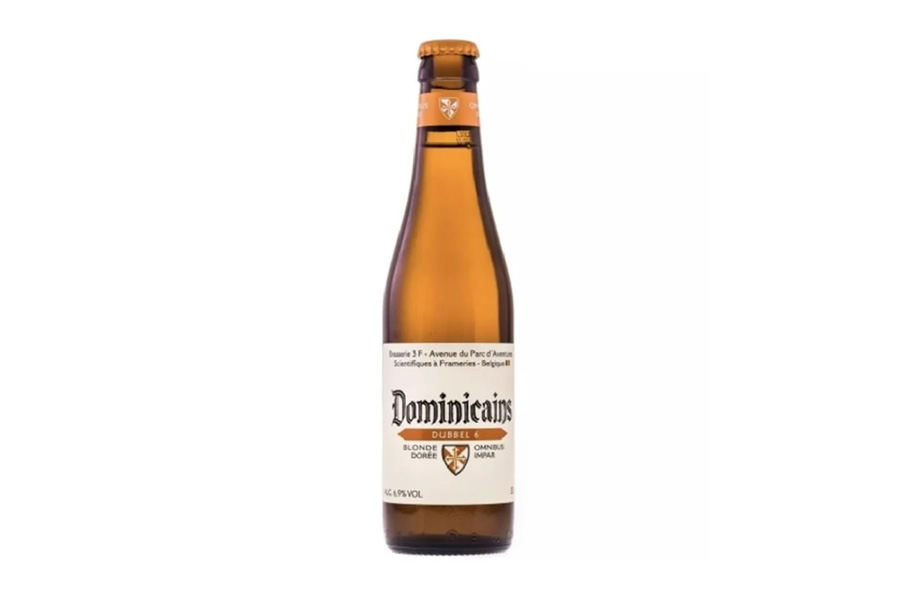
Belgium has one of the most celebrated beer cultures in the world, yet lager can sometimes sit in the shadow of the country’s Trappist ales, dubbels, tripels and fruit beers. That is a shame, because a good belgian lager can offer plenty of character while retaining the crisp, refreshing qualities that make lager so widely enjoyed. For drinkers who already appreciate European lager but want to try something a little different, Belgium is a very good place to start looking.
Belgian brewing is often associated with strong flavours, unusual yeast profiles and centuries of brewing tradition. Lager shows another side of that brewing culture. It can be clean and approachable, but still carry enough flavour to stand apart from many familiar mainstream options.
What Makes Belgian Lager Worth Trying?
Lager is a broad category rather than one single type of beer. Differences in malt, hops, fermentation, strength and brewing approach can all have a noticeable effect on what ends up in the glass.
Belgian examples can range from light, easy-drinking beers with gentle malt sweetness to fuller lagers with more noticeable hop bitterness and body. Some are made for straightforward refreshment, while others have enough complexity to reward slower drinking.
This makes them a useful entry point for anyone interested in trying Belgian beer but unsure where to begin. A strong abbey ale or richly flavoured Belgian dubbel can be quite a jump for somebody accustomed to British or German lager. Belgian lager offers a more familiar starting point while still giving drinkers an introduction to Belgian brewing.
Belgium Is About More Than Strong Ale
Talk about Belgian beer for long enough and names such as tripel, dubbel, lambic and saison tend to appear. These styles deserve their reputations, but focusing only on them can give a slightly distorted view of the country’s brewing scene.
Lager has its own place within Belgian drinking culture. Crisp pale lagers pair easily with food, work well as a refreshing drink on their own and provide an alternative to some of Belgium’s stronger and richer ales.
For anyone putting together a mixed selection of Belgian beers, including lager can also bring some balance. Moving between a crisp lager, a fruity Belgian ale and a dark dubbel makes it much easier to appreciate how varied the country’s brewing output really is.
What Should You Look For in the Glass?
There is no single flavour that defines every Belgian lager, which is part of the appeal.
Many pale examples offer a clean malt character, moderate bitterness and a crisp finish. Depending on the beer, you may also pick up grassy, herbal or lightly floral hop notes. Fuller versions can introduce more noticeable grain, bread or biscuit-like flavours.
Serving temperature can make a difference too. Lager is refreshing when chilled, but serving it extremely cold can hide some of its flavour. Giving the beer a little time in the glass can allow more of its malt and hop character to come through.
Glassware does not need to become complicated either. A clean lager glass or stemmed beer glass will work perfectly well for most bottles and cans.
Food Pairing Is One of Lager’s Strengths
One reason lager remains so popular is how easily it works alongside food.
The crispness of a lighter beer can cut through salty, fatty or fried dishes without overpowering them. Belgian lagers can work particularly well with chips, burgers, grilled chicken, seafood and lighter cheeses.
Spicier dishes can also be a good match. A refreshing lager helps cleanse the palate between mouthfuls while generally avoiding the heavy bitterness that can clash with chilli heat.
When trying several Belgian beers at home, lager can even act as a useful starting beer. Beginning with lighter and cleaner flavours before moving towards stronger, darker or sweeter styles helps prevent the more powerful beers from dominating your palate too early.
A Different Route Into Belgian Beer
Beer drinkers sometimes assume that exploring Belgian brewing means immediately reaching for high-strength bottles filled with unfamiliar flavours. There is no need to approach it that way.
Starting with belgian lager can make the experience much more approachable. It gives you a recognisable style while still allowing you to compare breweries, ingredients and flavour profiles.
Once you start noticing those differences, moving into other Belgian styles feels like a natural progression. You might try a blonde ale next, followed by a witbier, saison or tripel. There is no correct order. The interesting part is finding out which characteristics appeal to your own taste.
Give Belgian Lager Its Place in the Fridge
Belgian beer has earned a reputation for variety, and lager deserves to be part of that conversation. It can be refreshing without being forgettable, accessible without being dull and varied enough to make comparing different breweries worthwhile.
If your experience of Belgium has mainly involved stronger ales, adding a few lagers to your next beer selection could offer a different perspective on the country’s brewing culture. For a wider selection of Belgian and international craft beers, The Epicurean offers beers covering a wide range of styles, breweries and flavour profiles.


