

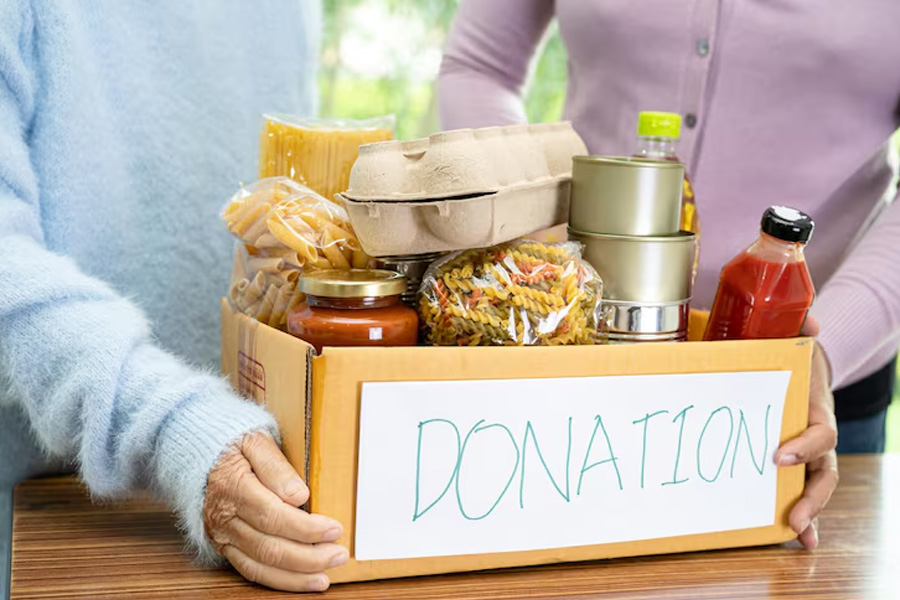
Access to nutritious food is a basic human need, yet millions of individuals and families struggle to put enough meals on their tables. Rising living expenses, unemployment, unexpected financial emergencies, and limited access to affordable groceries have made food insecurity a growing concern in many communities. While government assistance and social welfare programs provide essential support, community participation is equally important in addressing hunger. Food donation programs have become a powerful way to connect available resources with people who need them most, creating opportunities for individuals, businesses, and organizations to make a meaningful difference.
The Growing Need for Food Donation Programs
Food insecurity affects people from different backgrounds, including working families, older adults, students, and individuals experiencing temporary financial difficulties. Even households with steady employment may struggle to afford nutritious meals when housing, healthcare, transportation, and utility expenses consume most of their income.
Food donation programs help bridge this gap by collecting and distributing groceries, fresh produce, canned goods, and other essential food items. These initiatives often collaborate with community centers, charitable organizations, schools, and volunteers to ensure that donated resources reach vulnerable populations.
The growing demand for food assistance highlights the importance of maintaining reliable donation networks that can respond to both immediate emergencies and ongoing nutritional needs.
Making Food Assistance More Accessible to Communities
Accessibility is one of the most important factors in successful hunger relief initiatives. People experiencing food insecurity may face transportation challenges, limited mobility, or difficulty identifying nearby assistance programs. Community food banks and distribution centers help address these barriers by providing convenient locations where individuals can receive essential groceries.
Many people begin their search for assistance by looking online for food banks near me to identify local organizations offering food distribution services. These searches can also connect potential donors with nearby programs that accept nonperishable groceries, fresh food, and financial contributions.
Establishing accessible donation centers, organizing mobile food distribution events, and collaborating with neighborhood organizations can help food assistance programs reach more households.
Reducing Food Waste Through Responsible Donations
Food waste remains a significant challenge, particularly when edible products are discarded despite being suitable for consumption. Grocery stores, restaurants, farms, and households sometimes have surplus food that could benefit individuals experiencing hunger.
Food donation programs create opportunities to redirect appropriate surplus food toward community assistance initiatives. Businesses can contribute excess inventory, while households can donate unopened, properly stored products that meet established safety guidelines.
However, responsible donation practices are essential. Donors should check expiration dates, packaging conditions, storage requirements, and organizational acceptance policies before contributing. Proper food handling protects recipients while helping donation programs maintain reliable distribution standards.
Encouraging Businesses to Participate in Hunger Relief
Businesses have an important role in strengthening food donation programs because they can contribute resources, organizational support, and employee participation. Supermarkets, restaurants, food manufacturers, and local retailers may establish partnerships with charitable organizations to distribute suitable surplus products.
Companies outside the food industry can also participate by organizing workplace donation drives, sponsoring community food distribution events, or encouraging employees to volunteer.
Corporate involvement can strengthen local relationships while demonstrating a commitment to social responsibility. Consistent partnerships are particularly valuable because food assistance organizations need dependable resources throughout the year rather than donations limited to holidays or special occasions.
Supporting Children, Families, and Older Adults
Food insecurity can have serious consequences for vulnerable populations, particularly children and older adults. Children need consistent access to balanced meals to support physical development, concentration, and academic performance. Older adults may face additional challenges related to fixed incomes, limited mobility, and dietary requirements.
Food donation programs can help address these needs by providing nutritious groceries and coordinating specialized assistance when resources allow. Partnerships with schools, senior centers, and community organizations can improve outreach and identify households requiring additional support.
By considering the different nutritional needs of recipients, donation initiatives can provide assistance that supports overall health rather than simply addressing immediate hunger.
Strengthening Community Connections Through Volunteering
Food donation programs depend on more than financial contributions and donated groceries. Volunteers play an essential role in collecting, sorting, packaging, transporting, and distributing food supplies.
Participating in these activities allows community members to understand local challenges while developing stronger connections with neighbors. Schools, youth organizations, families, and workplace teams can encourage volunteering as a practical form of civic engagement.
Regular volunteer participation also helps organizations manage operational responsibilities, allowing more resources to be directed toward food assistance.
Building Sustainable Food Donation Programs
Long-term hunger relief requires consistent planning, reliable partnerships, and community awareness. Donation organizations must coordinate inventory management, food safety procedures, transportation, storage, and distribution schedules to operate effectively.
Recurring donation campaigns and monthly giving programs can provide predictable support. Educational initiatives can also encourage households to make thoughtful contributions and understand which food products are most useful.
Collaboration among nonprofit organizations, local businesses, community leaders, and volunteers can strengthen distribution networks and reduce unnecessary duplication of services.
Conclusion
Food donation programs represent an important connection between community generosity and practical hunger relief. By improving food accessibility, reducing waste, supporting vulnerable households, and encouraging collective participation, these initiatives help communities respond to food insecurity more effectively. Although individual donations may seem small, consistent contributions can create meaningful change when combined with organized community efforts. Building stronger food donation networks is not simply about providing meals today. It is about developing a supportive environment where families have greater access to essential nutrition and communities work together toward a more secure future.