

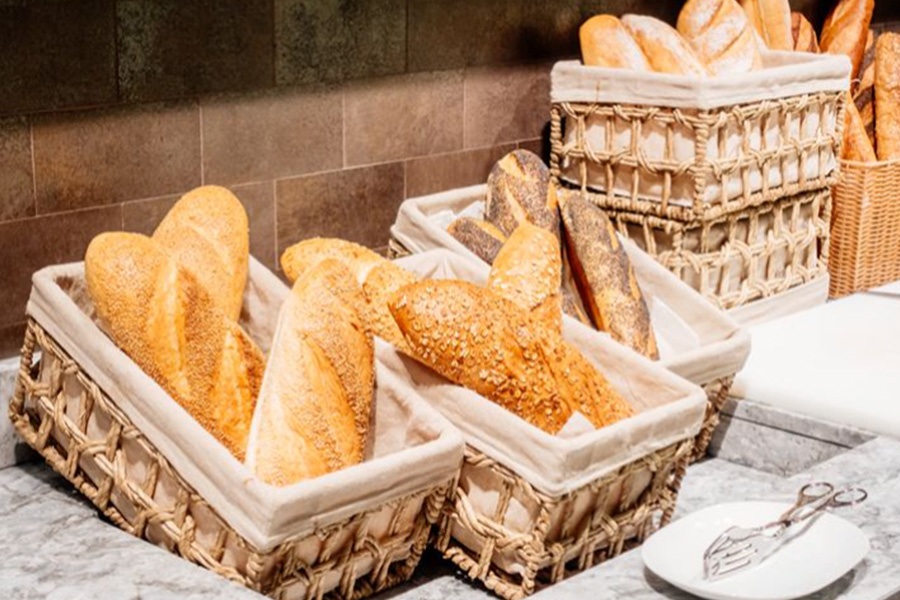
Planning bakery supply can feel deceptively simple until deadlines creep closer and expectations pile up. Timing, volume, and coordination matter more than many expect, especially when multiple stakeholders are involved. A structured approach keeps surprises at bay and conversations calm and where working with a bread supplier in Singapore benefits from a clear, deliberate plan rather than rushed decisions. Below is a practical step-by-step plan designed to help teams move from uncertainty to confidence while keeping communication human and manageable.
1. Define the Purpose Before Discussing Quantities
Every successful arrangement starts with clarity of intent. Is the bread meant for daily retail shelves, corporate breakfasts, school events, or private celebrations? Each scenario shapes expectations around texture, portion size, and freshness windows. A bread supplier will ask sharper questions when the use case is clear, which leads to more accurate recommendations.
At this stage, resist the urge to talk numbers straight away. Focus instead on who will be eating the bread and how it will be served. A plated setting demands different formats from grab-and-go counters. This early framing prevents later adjustments that disrupt production schedules. It also sets the tone for future discussions with a bread supplier who values thoughtful preparation.
2. Align Schedules and Delivery Rhythms
Once the purpose is defined, attention turns to timing. Delivery schedules shape freshness, staffing, and storage needs. This step becomes even more critical when pastry items are involved. Coordinating the delivery of mini pastries requires realistic timelines that respect baking cycles and transport conditions.
Rather than asking for blanket availability, map out specific days and time windows. Morning arrivals suit offices, while afternoon slots fit event setups. Share these preferences early so the delivery of mini pastries aligns with internal workflows. When schedules feel predictable, operations settle into a comfortable rhythm, reducing last-minute calls and unnecessary stress.
This is also where trust forms. A reliable bread supplier in Singapore appreciates clients who plan ahead and communicate clearly, making adjustments smoother on busy weeks.
3. Confirm Formats, Packaging, and Handling Needs
Bread and pastries travel differently. Some items tolerate stacking, others demand careful spacing. Discussing formats early helps avoid compromises later. The delivery of mini pastries in Singapore benefits from packaging that protects appearance without trapping moisture, especially during warm afternoons.
Take time to review how items will be received on site. Is there chilled storage, display shelving, or immediate service? These details guide packaging decisions and portion counts. A bread supplier can suggest sensible adjustments once handling realities are known.
This step also supports consistency. Repeating the same formats week after week builds familiarity on all sides. Over time, the delivery of mini pastries in Singapore has become predictable rather than reactive, which keeps service smooth even during busy periods.
4. Review, Refine, and Maintain Open Dialogue
No plan stays perfect without review. After the first few cycles, pause and reflect. Did quantities match demand? Were arrival times practical? Feedback keeps partnerships grounded. A bread supplier in Singapore values honest input shared calmly rather than rushed complaints during peak hours.
Regular check-ins allow small refinements that add up. Adjusting portion mixes or delivery timing strengthens reliability. The delivery of mini pastries in Singapore improves when expectations remain realistic, and communication stays consistent.
Most importantly, treat the relationship as ongoing. Familiarity builds efficiency. Over time, a trusted bread supplier anticipates needs before they escalate, while clients gain confidence in each delivery of mini pastries without micromanaging details.
Conclusion
A thoughtful plan transforms bakery supply from a guessing game into a steady process. Clear purpose, aligned schedules, suitable formats, and open dialogue shape dependable outcomes. Working closely with a bread supplier in Singapore becomes simpler when expectations remain grounded, and communication stays human. With the right approach, each delivery of mini pastries supports smoother operations and calmer planning days.
Contact Swee Heng Bakery to discuss a structured approach for bread supply and pastry coordination that fits your schedule and service needs.