
Key Takeaways
- Cookies are widely accepted across age groups, cultures, and professional settings, making them a low-friction gift choice.
- Compared to cakes, hampers, or niche desserts, cookies carry fewer logistical and preference-related risks.
- The perceived value of cookies in SG scales well with packaging, quantity, and positioning rather than novelty alone.
- Amidst the city-state’s fast-paced gifting culture, cookies deliver a strong balance of convenience, acceptance, and impact.
Introduction
The concept of “low-risk, high-reward” matters, particularly in a market where gifting decisions are often made quickly and judged quietly. Whether the occasion is personal, corporate, or seasonal, buyers are increasingly drawn towards options that minimise awkwardness, waste, and misalignment with the recipient. This situation is where a cookie gift in Singapore has steadily gained ground.
Discover a four-point analysis explaining why cookies are often considered one of the safest yet most effective gifting formats in the city-state.
1. Broad Acceptance Across Demographics and Occasions
One of the main reasons cookies are low-risk is universal familiarity. Unlike alcohol, niche desserts, or highly personalised items, cookies do not require assumptions about taste preferences, dietary habits, or cultural boundaries. Amidst the city-state’s diverse environment, this matters. Cookies are generally acceptable for children, adults, families, offices, and mixed-recipient situations without explanation or justification.
From a professional perspective, cookies also avoid the social risks associated with overly intimate or extravagant gifts. They sit comfortably between “thoughtful” and “neutral”, which is exactly what many buyers want. This wide acceptance explains why cookies are commonly chosen for client appreciation, teacher gifts, housewarmings, and festive sharing, where the recipient profile may be broad or loosely defined.
2. Lower Logistical and Timing Risk Compared to Other Gifts
Gifting in the city-state often comes with tight timelines. Cakes require refrigeration and same-day delivery. Fresh desserts can melt, spoil, or arrive damaged. Gift hampers are bulky and expensive to transport. Cookies, by contrast, offer a longer shelf life and greater resilience during delivery, especially in warm and humid conditions.
This logistical stability significantly reduces the risk of gifting failure. Cookies can be purchased in advance, stored safely, and delivered with fewer constraints. This reliability is a major advantage, particularly for corporate buyers or individuals managing multiple recipients. The practical nature of cookies allows them to perform consistently as gifts, even when planning time or delivery conditions are less than ideal.
3. Flexible Perceived Value Without Excessive Spend
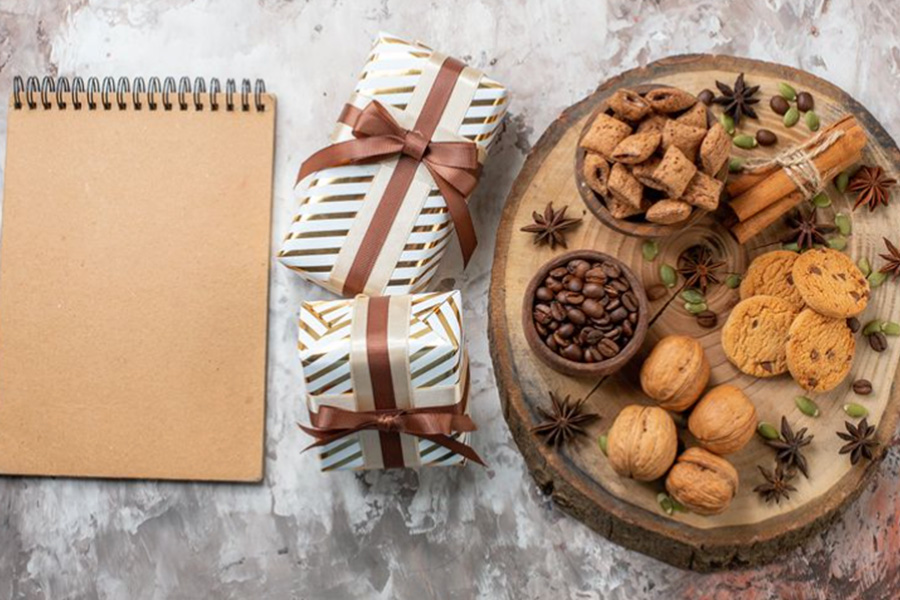
Another reason cookies perform well as high-reward gifts is their scalability. The perceived value of a cookie gift is not tied solely to price. Packaging, presentation, portion size, and brand positioning all influence how the gift is received. A thoughtfully packed box of cookies can feel premium without crossing into uncomfortable extravagance.
This flexibility allows buyers to calibrate their spending based on context. A simple box works for casual appreciation, while a more refined presentation suits formal or professional settings. Importantly, cookies rarely feel wasteful. Recipients can share them, consume them gradually, or keep them for later, which enhances perceived usefulness and reduces the likelihood of the gift being discarded.
4. Low Emotional Risk, High Practical Reward
Some gifts carry emotional risk. They can feel too personal, too generic, or too performative. Cookies avoid these extremes. They are consumable, familiar, and non-intrusive. This approach makes them especially effective when the relationship between giver and recipient is polite, professional, or still developing.
At the same time, the reward is practical. Cookies are almost always used. They create a moment of enjoyment without requiring commitment or storage space. This balance is powerful in gifting psychology. The giver avoids social missteps, while the recipient experiences immediate and tangible value. This dynamic explains why cookies in SG continue to outperform trend-driven desserts or novelty items in many gifting scenarios.
Conclusion
Choosing cookies is not about playing it safe in a negative sense. It is about making a calculated decision that balances acceptance, convenience, and impact. Amidst the region’s gifting landscape, where time, diversity, and practicality intersect, cookies consistently deliver results. Cookie gifts in Singapore offer one of the clearest examples of a low-risk choice that still feels intentional, useful, and well-received.
Visit Nasty Cookie for a cookie gift that feels thoughtful, presentable, and effortless.