
Key Takeaways
- Guest demographics influence whether organisers choose fully halal menus or mixed catering options for inclusivity.
- Large-scale menu planning must consider service style, food durability, and crowd flow to avoid long queues and delays.
- Venue constraints and logistics can affect equipment, menu choices, and on-site setup for halal catering.
- Certification, food handling practices, and cost transparency shape guest confidence and budget planning.
Introduction
Planning a large event brings food to the top of the priority list, especially when guests come from diverse backgrounds. For organisers, halal catering in Singapore is not just about meeting dietary requirements, but also about managing expectations, logistics, and guest experience at scale. Wedding catering in Singapore, corporate functions, and community events all involve different pressures, yet they share similar challenges when hundreds or thousands of guests are expected. Organisers can make practical decisions that align with venue constraints, budgets, and the overall flow of the event when they understand what matters in halal catering.
Knowing The Guest Demographics And Expectations
Large events rarely have a uniform guest profile. Weddings, conferences, and community gatherings include Muslim and non-Muslim attendees, different age groups, and varied dietary preferences. When selecting halal catering in Singapore, organisers consider whether to offer fully halal menus for all guests or a mix of options. Wedding catering in Singapore frequently prioritises inclusivity, so that every guest can dine comfortably without separate lines or labels. Organisers must be aware of the attendance to help determine portion sizes, menu variety, and whether dietary requests, such as vegetarian or allergen-free dishes, should be included alongside halal offerings.
Menu Planning For Scale And Service Style
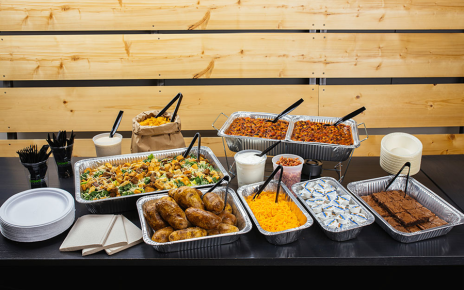
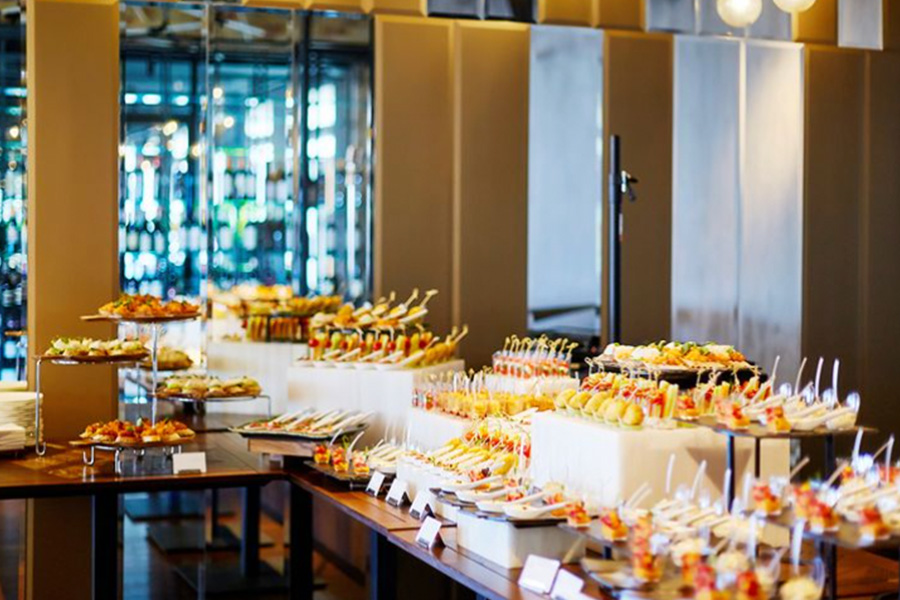
Menu planning changes when cooking for hundreds rather than dozens. Dishes that work well in small settings may not scale easily, especially for buffet lines or plated service. Halal catering in Singapore involves menu testing to ensure dishes hold up in chafing dishes, remain presentable, and can be replenished efficiently. Wedding catering in Singapore includes classic and signature dishes that show cultural or personal preferences. Organisers must decide between buffet, bento, or plated formats based on venue layout, service staff, and guest flow, as each format affects waiting times and overall guest satisfaction.
Venue Constraints And Catering Logistics
Large venues impose practical constraints that shape catering decisions. Access points for loading, kitchen facilities, power supply, and waste management all affect how halal catering in Singapore operates on-site. Some venues restrict open flames, live cooking stations, or certain equipment, which can limit menu choices. Wedding catering in Singapore also requires coordination with decorators, AV teams, and venue managers to ensure catering stations do not obstruct guest movement or stage views. These logistical factors can help organisers avoid last-minute changes that affect food quality and service timing.
Certification, Food Handling, And Compliance
Halal certification and food handling practices become more visible at large events, where guests may actively seek assurance. Organisers confirm that providers of halal catering in Singapore follow recognised certification standards and separate preparation areas from non-halal items. Wedding catering in Singapore also involves checking hygiene practices, staff training, and food safety protocols, especially when meals are served over several hours. These considerations influence not only compliance but also guest confidence, which affects how attendees perceive the event’s organisation and professionalism.
Budgeting And Cost Transparency
Catering represents a significant portion of the event budget, and costs increase quickly with guest count. Halal catering in Singapore pricing can vary based on the menu, service style, staffing, and equipment rental. Wedding catering in Singapore includes add-ons such as tableware, service staff, and dessert stations, which impact the final bill. Organisers compare packages and itemised quotes to understand where costs come from and which elements can be adjusted without affecting the guest experience. Transparent budgeting helps align expectations with financial realities and reduces surprises closer to the event date.
Conclusion
Organisers expect halal catering for large events to be straightforward once a menu is chosen, but the reality involves layered decisions about guests, logistics, compliance, and budgets. Menus that look appealing on paper may change due to venue constraints, while service styles affect how guests experience waiting times and crowd flow. Recognising this gap between expectation and execution helps organisers approach halal catering in Singapore and wedding catering in Singapore with practical awareness, understanding that food planning for large events is as much about coordination and scale as it is about taste.
Contact Orange Clove to learn more about halal catering for large events in Singapore.