
Ready-to-eat meals in Singapore often pile up quietly rather than disappearing as planned. A frozen tray gets pushed behind groceries, expiry dates creep closer, and the intention to save time turns into another item to manage. Portions feel slightly off for one night and too much for the next, while busy weeks blur into skipped meals or last-minute takeaway instead. The waste rarely comes from neglect but from not knowing how these meals fit into daily rhythms once they are already in the freezer.
1. Match Meals to Real Eating Windows
Frozen ready-to-eat meals tend to work best when they are matched to predictable gaps in the day, such as late dinners after long work hours, solo lunches between meetings, or quiet weekends when cooking feels unnecessary. In these moments, convenience matters more than variety, which allows frozen meals to serve a clear purpose instead of competing with fresh groceries bought for planned cooking. When each meal is mentally assigned to a specific window in the week, it stops feeling like a backup option and becomes part of the routine, which is what prevents it from being forgotten at the back of the freezer.
2. Treat the Freezer Like a Shelf, Not Storage
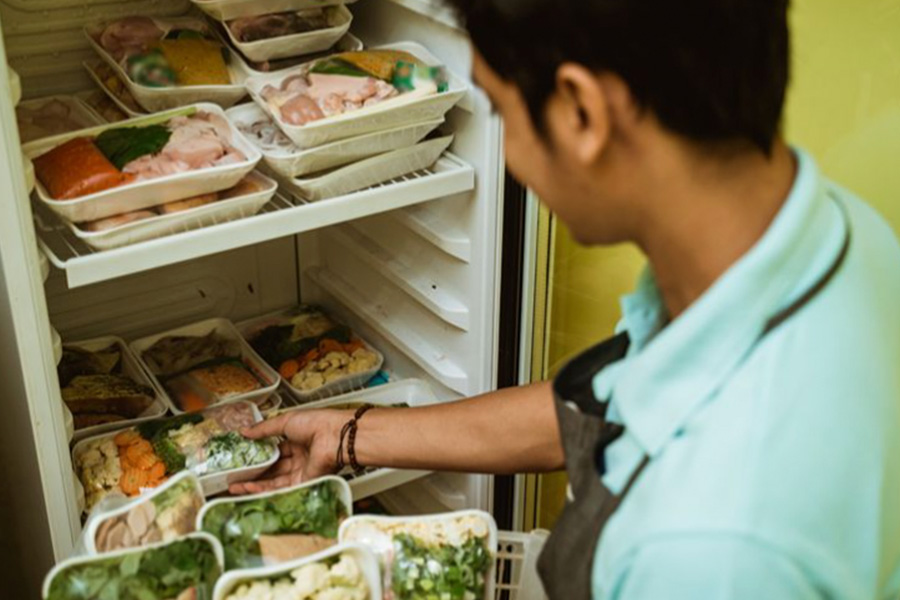
Many people treat freezers as long-term storage rather than active meal spaces, which is why frozen ready-to-eat meals in Singapore often get buried and forgotten. When meals are rotated forward and grouped by type, they stay visible enough to be considered during busy evenings instead of being overlooked. Simple labels help reduce decision fatigue by removing the need to search or guess what is inside each container. Once frozen meals are easy to see and quick to identify, they start to feel like real options for everyday eating rather than last-resort backups.
3. Avoid Overbuying Variety
Buying too many flavours at once often creates choice overload, as decision-making becomes harder rather than easier when every meal feels unfamiliar. Limiting purchases to a small rotation of known options reduces hesitation and increases the likelihood that meals are actually eaten. Frozen vegan meals benefit especially from this approach, since flavours and textures tend to feel more satisfying after repeat exposure rather than on the first try. As familiarity builds, meals stop feeling like novelties and start fitting naturally into weekly routines.
4. Plan Around Portion Reality
Ready-to-eat meals rarely match hunger perfectly, which is why some feel too small for dinner while others feel too heavy for lunch once routines settle in. That mismatch often leads to unfinished portions or second meals that defeat the purpose of convenience. Pairing ready-to-eat meals with simple sides such as fruit, bread, or a small salad helps adjust portions without returning to full cooking. This small flexibility makes meals feel intentional rather than compromised, which reduces frustration and lowers the chance of abandoning food halfway through.
5. Use Frozen Meals to Protect Fresh Food
Frozen ready-to-eat meals work best when they protect fresh groceries rather than compete with them, especially during weeks when plans shift and produce risks going unused. Choosing a frozen meal on those days preserves fresh ingredients for later cooking instead of forcing rushed meals to avoid spoilage. As this pattern repeats, food waste drops quietly across the week without adding effort or extra planning. Frozen meals settle into the routine as a support system that absorbs disruption, rather than a fallback reached for only when everything else fails.
6. Keep Expectations Practical
Ready-to-eat meals succeed when expectations stay grounded in how they are meant to be used, because they provide consistency rather than the experience of freshly cooked restaurant food. Frozen ready-to-eat meals prioritise reliability, portion control, and speed, which means flavour and presentation stay functional instead of elaborate. When people recognise this trade-off early, convenience feels intentional rather than disappointing, allowing meals to feel genuinely useful in everyday routines instead of quietly underwhelming.
7. Make Them Part of Recovery Days
Busy weeks tend to lead into evenings where energy drops and even simple food decisions feel heavier than they should. Ready-to-eat meals work best when they are used deliberately on those recovery days, when cooking feels unrealistic and ordering yet another takeaway no longer feels satisfying. Placing them into these low-energy moments builds trust in their role as support rather than last-minute substitutes. Over time, this pattern reduces reliance on constant cooking or repeated orders, preventing the quiet burnout that comes from managing meals without relief.
Conclusion
Ready-to-eat meals in Singapore tend to go to waste not because they lack value, but because they sit outside the way most people actually decide what to eat. When meals are treated as vague backups, they compete poorly with fresh groceries, impulse orders, and changing schedules, which leaves them frozen in place until they feel obsolete. Once their role becomes specific and predictable, waste stops being a moral or planning failure and starts looking like a timing issue that can be corrected. The shift happens when these meals are used to absorb disruption rather than replace normal cooking, creating breathing room instead of pressure. In that context, a freezer stops signalling excess and starts functioning as a quiet buffer against exhaustion, spoilage, and decision fatigue.
Contact Taste Asia to explore how ready-to-eat meals can fit everyday eating patterns more smoothly.