
Food choices have never been more varied or more convenient than they are today. Yet one topic continues to spark curiosity: fast food vs. traditional food is a long-running contrast that shapes eating habits, cultural identity, and health outcomes around the world. With busier lifestyles and broader access to global cuisines, people often weigh convenience against nutrition without always recognising how these choices fit into their overall well-being.
What Helps Us Compare Fast Food and Traditional Food More Clearly
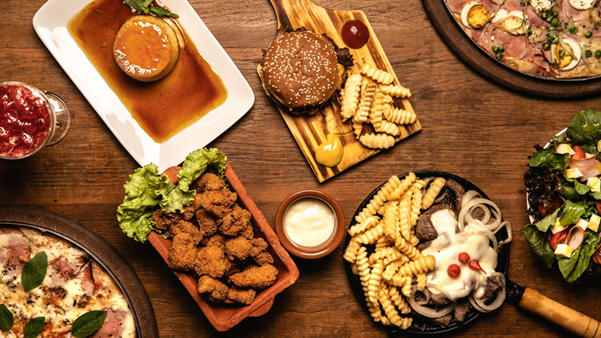
When exploring the differences between fast food and traditional food, it helps to rely on practical resources that outline what each type of meal brings to the table. Fast food tends to prioritise speed and efficiency, while traditional food values heritage, balance, and long-standing preparation methods. Meals high in saturated fats, sodium, and refined ingredients are often linked to health challenges such as increased cardiovascular risks and higher obesity rates. Understanding these patterns gives structure and clarity to your decision-making.
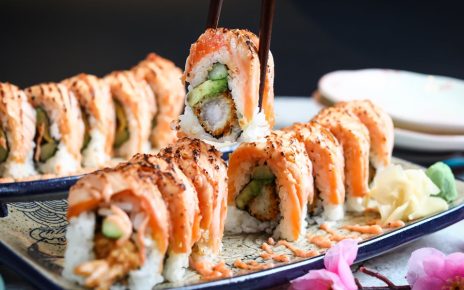
Traditional dishes often rely on fresh ingredients, time-tested cooking styles, and a deep cultural context. Many cuisines across Asia, the Mediterranean, and Latin America show that nutrient-rich meals form the backbone of heritage cooking. Fast food, on the other hand, typically focuses on mass production and quick service, creating a gap between convenience and nutritional quality. Yet fast food chains have broadened their menus with healthier choices, and traditional dishes can sometimes be calorie-heavy depending on preparation methods. This is why comparing them fairly requires reliable reference points instead of assumptions.
As you look beyond the basics, essential resources such as food labelling guides, nutritional databases, and public health advisories can help you spot what truly differentiates the two. With these tools, the fast food vs. traditional food debate becomes more of an informed evaluation based on facts rather than trends.
The Role of Culture, Convenience, and Lifestyle in Shaping Preferences
The contrast between fast food and traditional food extends beyond nutrition. Fast food grew rapidly alongside urbanisation and globalisation. As people began living faster-paced lives, the demand for quick meals increased. The availability of fast food correlates with changes in consumption patterns, particularly among younger populations seeking efficiency over lengthy preparation.
Traditional food, however, carries emotional significance for many households. It is often linked to family traditions, weekend gatherings, festive events, and shared memories. Because traditional meals take longer to prepare, many people associate them with home, comfort, and connection. This emotional element is one of the biggest reasons why conversations about fast food vs traditional food often involve nostalgia.
However, this does not mean one category is automatically “good” and the other is “bad.” It simply means each plays a different role. Many people have balanced approaches: eating traditional food for cultural grounding and choosing fast food when schedules demand simplicity.
What Research Suggests About Long-Term Effects
Health implications remain a major talking point when discussing fast food and traditional meals. Studies suggest that diets high in ultra-processed foods are associated with increased risks of chronic diseases such as hypertension and diabetes.
By contrast, diets based on traditional cooking are frequently linked to improved health outcomes and show consistent benefits for longevity and heart health. Still, it is possible to enjoy fast food without significant harm, provided choices are moderated. Portion sizes, ingredient transparency, and an understanding of calorie density empower you to maintain a balanced approach.
Nutrition, Time, Budget, or Culture?
To meaningfully compare fast food vs. traditional food, consider what influences your decisions most. If time is your biggest constraint, fast food may seem inevitable. Yet meal-prep approaches, food delivery from home-style restaurants, and simplified recipes help keep traditional eating accessible.
If nutrition ranks highest, exploring traditional meals with a balanced composition of macronutrients may better support your lifestyle. Budget also plays a part. Fast food may appear cheaper upfront, but cooking traditional meals at home generally reduces costs over time. Recognising your priorities helps you choose what suits your life rather than what trends dictate.
The Real Answer Isn’t Fast Food or Traditional Food—It’s Awareness
The fast food vs traditional food discussion depends on your needs, values, and health goals. Traditional food offers deeper cultural meaning and nutritional advantages, while fast food provides unmatched convenience for modern life. Once you understand the resources available, you gain the ability to navigate both options without guilt or confusion. Instead of framing the two categories as opposites, see them as different tools. With awareness and balance, you can enjoy the convenience of fast food when necessary while embracing the richness of traditional meals whenever possible.
Ready to rethink your eating habits one smart choice at a time? Explore Best Picks and start by reviewing your week’s meals, and see where the balance leads you today.