
Wagyu beef is widely recognised for its rich flavour, tender texture, and luxurious dining appeal. Its reputation in premium dining culture comes largely from the exceptional quality standards used to evaluate the meat. In contrast to standard beef grading methods that may focus mainly on size or appearance, Wagyu evaluation places significant importance on texture and marbling. These two factors strongly influence how the beef tastes, feels, and performs during cooking.
The Wagyu Beef Grading System helps determine the quality level of Wagyu beef by carefully assessing several important characteristics, with marbling and texture considered among the most valuable indicators of excellence.
Understanding Marbling In Wagyu Beef
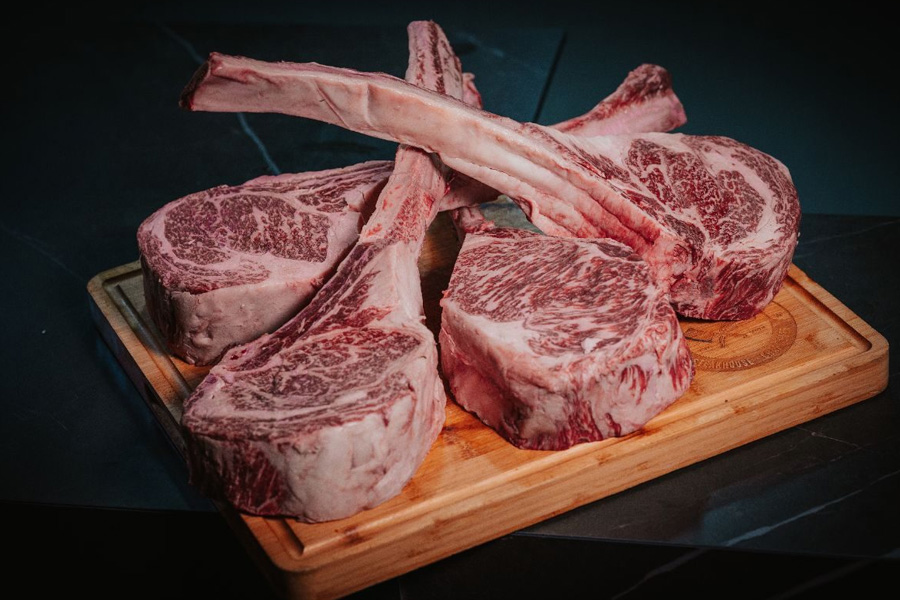
Marbling refers to the fine streaks of intramuscular fat distributed throughout the meat. In Wagyu beef, marbling is one of the most recognisable and celebrated characteristics because it directly affects tenderness, juiciness, and flavour richness.
In contrast to large sections of external fat, marbling is spread evenly within the muscle itself. During cooking, this fat gradually melts into the meat, creating a soft texture and deep flavour profile. The result is a dining experience often described as buttery, smooth, and exceptionally tender.
Higher quality Wagyu beef typically contains more intricate and evenly distributed marbling patterns. The visual appearance of these fat streaks becomes an important factor during grading evaluations.
Why Texture Matters In Beef Quality?
Texture plays a major role in how beef is experienced by diners. Even visually attractive meat may not deliver a premium experience if the texture feels tough, dry, or inconsistent.
Wagyu beef is highly valued because of its fine muscle structure and delicate texture. The balance between lean meat and marbling creates softness that distinguishes Wagyu from many traditional beef varieties.
Texture affects chewing resistance, mouthfeel, and overall dining satisfaction. Premium Wagyu is expected to provide a smooth and refined eating experience where the meat remains tender without becoming overly heavy.
The quality of texture often reflects careful breeding, feeding methods, and meat handling practices used throughout production.
The Relationship Between Marbling And Texture
Marbling and texture work together to define the unique identity of Wagyu beef. High marbling levels alone are not enough if the texture lacks consistency or softness.
When marbling is evenly distributed within fine-textured muscle fibres, the beef develops its signature tenderness and luxurious mouthfeel. This balance is what separates premium Wagyu from lower-quality cuts.
The interaction between fat and muscle structure also influences cooking performance. Well-marbled beef remains moist and flavourful during cooking, while fine texture allows the meat to maintain tenderness across different preparation methods.
This combination creates the rich sensory experience that has made Wagyu highly respected within fine dining culture.
How Does Grading Evaluate Marbling?
Professional graders examine Wagyu beef carefully to assess marbling quality. They look at the quantity, distribution, and fineness of the fat within the meat.
Evenly dispersed marbling is often considered superior because it creates a more balanced flavour and texture throughout the cut. Large, uneven fat deposits may not provide the same level of consistency during cooking or dining.
Marbling is typically measured using specialised scoring systems that compare the meat against established quality standards. Higher scores indicate more desirable marbling characteristics associated with premium Wagyu products.
These evaluations help maintain consistency and provide customers with confidence regarding product quality.
Texture Influences Customer Expectations
Modern diners often associate Wagyu beef with luxury and premium dining experiences. Because of this reputation, customers expect exceptional tenderness and refined texture whenever ordering Wagyu dishes.
Texture strongly shapes overall dining impressions because it directly affects comfort and enjoyment while eating. Soft, delicate beef creates a more memorable experience compared to meat that feels dense or chewy.
Restaurants and chefs, therefore, pay close attention to texture when selecting Wagyu cuts for premium menus. Proper preparation techniques are also important because they help preserve the natural qualities of the beef.
Why Grading Standards Matter?
Consistent grading standards help maintain the reputation of Wagyu beef across global dining markets. Customers purchasing premium beef expect quality levels that match the product’s reputation and price.
The Wagyu beef grading system provides structure and transparency by evaluating important characteristics such as marbling, texture, colour, and overall meat quality. These grading methods help buyers, chefs, and diners understand the level of quality they are receiving.
Reliable grading also supports trust within the restaurant and food industry by ensuring premium standards are consistently maintained.