

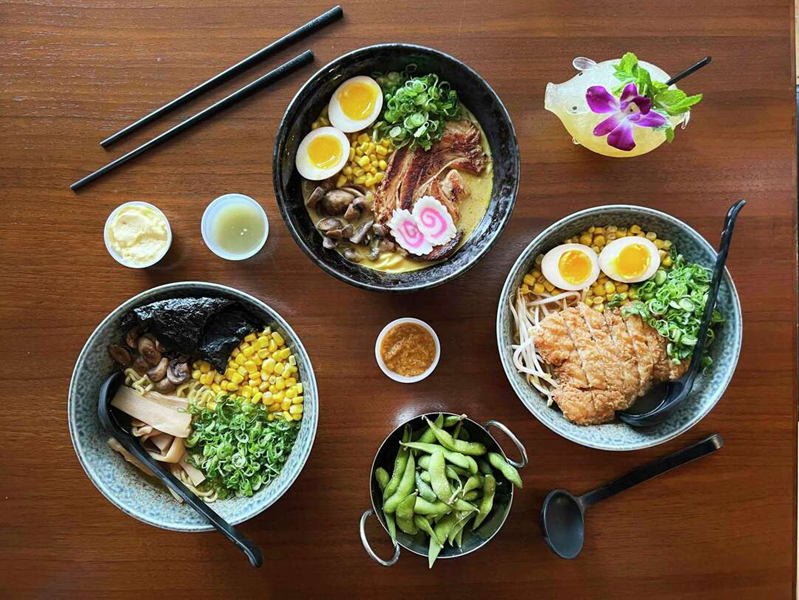
From a straightforward noodle soup, ramen has developed into one of the most well-known foods in the world. Noodle soups that resembled ramen were brought to Japan by Chinese immigrants in the late 1800s.
In port cities where Chinese people had settled, these early noodle dishes were frequently served. Japanese chefs started modifying the recipe to fit regional preferences, thereby making the meal distinctively Japanese.
Following World War II
Following World War II, ramen’s appeal significantly increased. During this time, Japan had food shortages and economic difficulties, and there was a great demand for reasonably priced meals.
Imports of wheat from the United States increased the availability of flour, which boosted the manufacture of noodles. Food sellers started selling ramen in towns and communities, providing workers reconstructing the nation with an affordable and satisfying lunch. The introduction of instant ramen in 1958 was one of the most significant events in the history of ramen. The way people ate noodle soup was completely transformed by this invention.
When the craving for professionally made ramen hits, it is easy to find ramen near me in the United States.
Japan’s regional ramen styles
As ramen changed throughout Japan, several areas started to create their own distinctive varieties. These variations showcase regional ingredients, cultural inclinations, and inventive cooking. Tonkotsu ramen, which originated in southern Japan, has a thick soup made from boiled pork bones for many hours. Shoyu ramen has a flavorful, slightly salty flavor thanks to its soy sauce-based broth. Miso ramen, which originated in northern Japan, uses fermented soybean paste in its broth. Shio ramen is renowned for its salt-seasoned, lighter broth.
Ramen started to become popular outside of Japan in the late 20th century. Japanese cuisine was introduced to customers from other countries when restaurants were established in major cities across the globe. Ramen is a component of daily existence and national identity in Japan.
Ramen’s transformation from a straightforward noodle soup to a global culinary sensation is an incredible tale. Ramen, which was developed in Japan after being influenced by Chinese noodle customs, has come to represent coziness, inventiveness, and cross-cultural interaction.